


Maintenance and cleaning of false ceilings and false walls
November 21, 2025
Keywords:
From a cleaning perspective, plasterboard false ceilings and walls behave similarly to traditional painted walls. For routine maintenance, occasional dusting is sufficient, and if necessary, targeted cleaning of dirty areas with soft cloths and neutral detergents compatible with the type of paint used. For very high false ceilings, cleaning is performed with telescopic poles or suitable equipment.
Over time, microcracks may appear at joints, structural changes, or particularly stressed points (for example, where the floor is subject to small movements). These cracks are usually cosmetic in nature and can be addressed with localized filling and repainting, after checking for underlying structural issues.
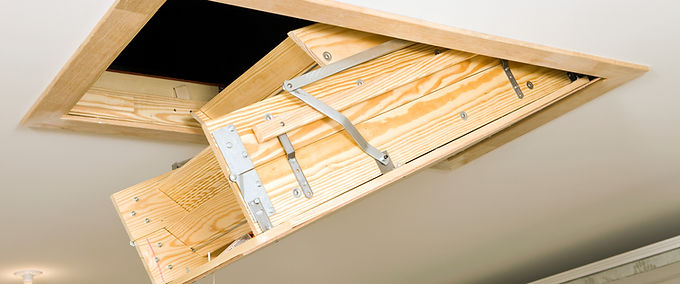
For false ceilings and false walls that conceal important systems , maintenance also involves proper management of hatches and inspection panels. It's essential that these access points are designed and installed in the right places from the outset: electrical connections, valves, ventilation joints, and equipment. This way, system maintenance can be performed without having to demolish or damage the cladding.
In environments subject to humidity, steam, or temperature changes , such as bathrooms, professional kitchens, or utility rooms, it's advisable to periodically check the condition of the surfaces: any streaks, swelling, or detachments may indicate condensation or leaks that need to be addressed promptly. Suitable panels and proper paint systems significantly reduce this risk, but vigilance remains important.
Scheduled repainting often represents the moment when false ceilings and false walls are brought back to their former glory. This is an opportunity to check the condition of the plaster, correct any imperfections, and update the color to match the new furnishing choices. False walls, recesses, and niches can become a key feature, offering perfect surfaces for the interplay of color and light.
Highlight
• The surfaces are managed like normal painted walls: light cleaning and touch-ups where necessary.
• Inspection hatches and panels allow access to systems and connections without demolishing.
• Any localized cracks or bumps can be repaired with filling cycles and new painting.
Low Light
• In case of infiltrations from above, the sheets may swell and require replacement.
• Strong impacts in non-reinforced areas (e.g. with handles, furniture, loads) can break the plate.
• Small recurring cracks indicate structural problems or movements not managed upstream.


