


Materials and finishes for painting
November 21, 2025
Keywords:
The basis of many interior paint jobs is water-based, washable paint , available in varying degrees of resistance. Breathable water-based paints are suitable for ceilings and rooms where good vapor permeability is required (such as bathrooms and kitchens, if well-ventilated), while washable and super-washable paints are chosen for walls subject to dirt, frequent traffic, or direct contact: hallways, stairways, and heavily used living rooms.
In environments requiring greater resistance to stains and washing, water-based wall enamels come into play, often satin or semi-gloss, ideal for kitchens, bathrooms, areas near sinks and countertops, or for highly stressed children's bedroom walls. These products form a more compact film and are more tolerant to detergents and repeated rubbing.
The surface finish greatly influences perception:
Matte hides small imperfections better and creates a soft, elegant look. It's perfect for living rooms, bedrooms, and ceilings.
Silk/satin reflects light slightly, appears “cleaner” and is well suited to hallways, kitchens and spaces where a compromise between aesthetics and cleaning needs is desired.
Semi-gloss/gloss is used less frequently on entire walls, but it is interesting on particular elements (doors, paneling, details) where a more decisive effect is desired.
In sensitive environments, such as bedrooms or spaces where people spend many hours a day, there is a growing interest in low-VOC paints , without added formaldehyde, and with specific certifications for indoor air quality. These products help reduce unwanted emissions, especially in highly insulated homes.
For walls prone to specific problems—old, removed damp stains, smoke, nicotine, and smudges— insulating primers and paints exist that create a barrier layer, preventing stains from migrating to the surface. In areas at risk of mold, in addition to addressing the causes (ventilation, thermal bridges), products with specific additives can be used to combat the growth of fungi and bacteria.
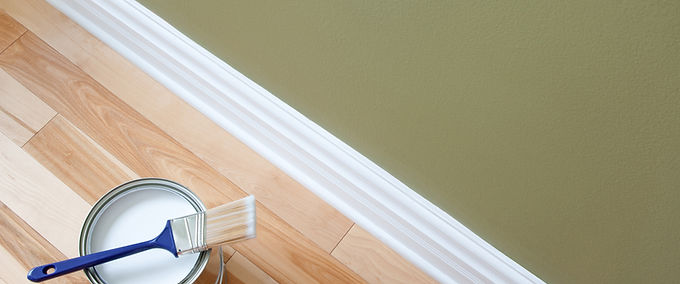
Colors and finishes can be combined in a targeted manner: a matte base on the main walls, a satin finish on the skirting boards and more exposed areas, neutral shades to add light, and a few accent colors to characterize a wall or niche. Painting isn't just "painting," but a combination of technical and aesthetic choices that accompany the home's residents every day.
Highlight
• Wide choice of products: breathable, washable, super washable, wall enamels, matt and satin finishes.
• Low VOC paints improve air quality in high-traffic environments.
• Matte finishes help hide small imperfections and give a soft, elegant look.
• Wall enamels and high-resistance products are suitable for kitchens, bathrooms and high-traffic areas.
Low Light
• Choosing a paint that is not suitable for the environment (humid, high traffic, etc.) reduces its durability over time.
• High gloss finishes highlight media defects and roller marks in grazing light.
• Some technical products require specific cycles and cannot be used “like any other white”.


